If customers can’t find your business online, they may question whether it’s worth finding at all.
In 2026, having a website is no longer just a competitive advantage. For many businesses, it’s one of the first places customers go to learn about you and decide whether they can trust you. Whether you run a small local business, offer professional services, or sell products online, customers often look for your website before deciding whether to trust you.
So, does my business need a website in 2026? For most businesses, the answer is yes. Social media can help you connect with customers, but your website gives you a space you control to showcase your services, answer questions, build credibility, and turn visitors into customers.
The benefits of having a website for small businesses go beyond simply having an online presence. It can help new customers find you, give your brand a more professional presence, and support the marketing you’re already doing.
Without a website, potential customers may struggle to find reliable information about your business and turn to competitors who are easier to research.
Key Takeaway
A professional website is more than an online business card. It can become one of your most valuable business assets—helping customers find you, trust you, understand what you offer, and take the next step. In 2026, the question isn’t simply whether you can afford a website; it’s whether you can afford to miss the customers who expect to find you online.
The Modern Website: More Than Just a Digital Business Card
A business website used to be little more than an online business card—your name, contact details, and a short description of what you offered. In 2026, that is no longer enough. Today, a good website should do more than display your business details. It should help people understand what you offer and decide what to do next.
Your website can explain what you offer, answer common customer questions, showcase your work, share reviews, and give visitors a clear way to contact or buy from you.
Your Website Works Beyond Business Hours
Unlike a physical store or office, your website can be available 24/7. A potential customer can discover your business, explore your services, check your pricing or portfolio, and send an inquiry even when you’re not available to respond immediately.
It Builds Trust Before the First Conversation
People often research a business before they decide to contact it. A well-designed website gives them an opportunity to understand who you are, what you do, and why they should choose you.
A clear ,well-maintained person can answer their questions, showcase your work, and give them more confidence before they contact you.
Your Website Is an Asset You Control
Social media platforms are useful for reaching and engaging with customers, but your business does not control how those platforms work. Algorithms, features, and visibility can change, which means your reach can change with them.
Your website gives you a space that belongs to your business. You decide what information customers see, how your brand is presented, and what action you want visitors to take.
Why This Matters for Business Growth
A website can turn people who are already searching for your services into potential customers.
It can help turn online searches into real business opportunities. A website can turn people who are already searching for your services into potential customers.
So, if you’re asking, “does my business need a website in 2026?”, consider what happens when someone searches for your business and finds nothing—or finds only an inactive social media page. The cost of not having a website may not appear on a bill, but it can mean missed enquiries, lost trust, and customers choosing a competitor instead.
A modern business website should do more than list your contact details. It should help people understand your business, trust what you offer, and decide whether to get in touch.
Why a Website Still Matters in 2026
A website gives potential customers a reliable place to learn about your business, evaluate what you offer, and decide whether they want to work with you.
It gives potential customers a reliable place to learn about your business, evaluate what you offer, and decide whether they want to work with you.
Whether you run a local shop, provide professional services, or operate an online business, your website can support your customer journey long before someone contacts you.
Customers Research Online Before They Buy
Most customers want to know what they’re getting before they spend their money. They may search for your business, look at your services, read reviews, compare options, or check your previous work before making a decision.
If they can’t find enough reliable information about your business, they may simply move on to another option. A professional website gives you control over the information customers see and helps them make a more informed decision.
This is particularly important for small businesses, especially those that rely on referrals or local searches. Even if most of your customers come through referrals or local searches, your website can reassure them that they’ve found the right business.
A Website Builds Instant Credibility
Your website is often one of the first places a potential customer encounters your brand. A clear layout, useful information, professional images, customer reviews, and easy-to-find contact details can create a stronger first impression.
A website doesn’t automatically make a business trustworthy, but a well-maintained website can give customers more confidence in who they’re dealing with.
It also gives you room to show what makes your business different. Instead of relying on a short social media bio or a few posts, you can explain your expertise, highlight your work, answer common questions, and provide the information customers need.
Your Business Stays Open 24/7—Even When You’re Not
Your business may have fixed working hours, but your website doesn’t. Customers can visit it at any time to learn about your services, view your products, read FAQs, submit an enquiry, or find your contact information.
For small businesses, this is one of the practical benefits of having a website for small businesses. Your website can continue working in the background while you’re serving customers, travelling, or simply taking a break.
So, does my business need a website in 2026? If you want customers to find reliable information about your business whenever they’re ready to look, a website can make a real difference.
The cost of not having a website isn’t limited to losing a single customer. Over time, missed searches, unanswered questions, and weaker first impressions can mean opportunities going to competitors who are easier to find online.
Isn’t a Social Media Page Enough?
Social media can be a great way to promote your business, connect with customers, and share updates. But relying on a social media page alone can leave your business dependent on a platform you don’t control.
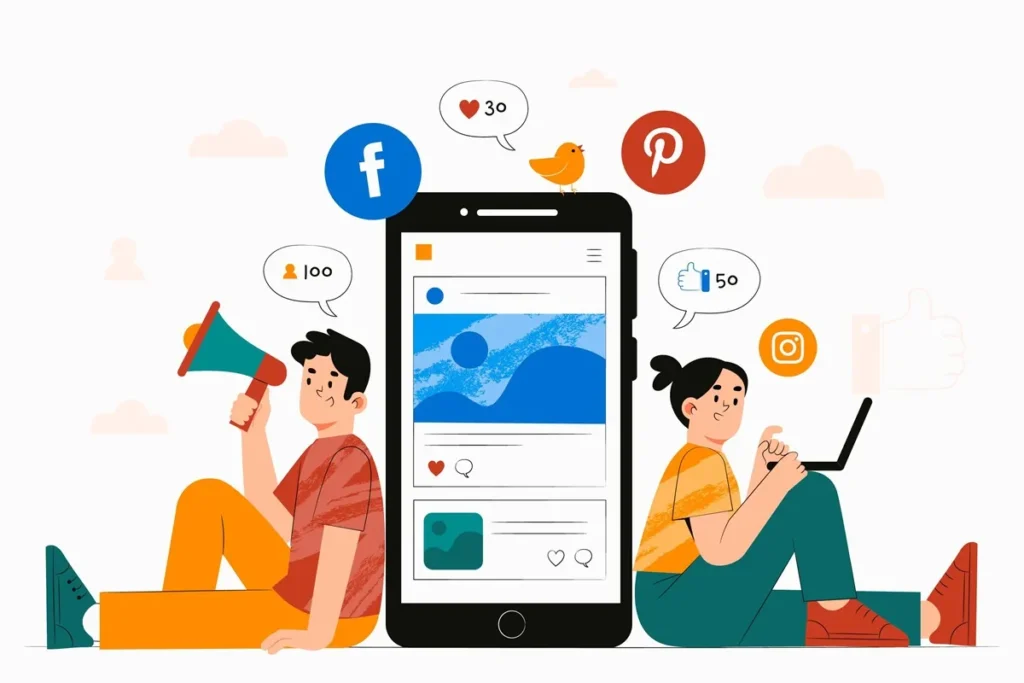
Social media can bring people to your business, while your website gives them a reliable place to learn more, build confidence, and take action.
You Don’t Own Your Social Media Page or Audience
When you build an audience on a social media platform, you’re using someone else’s system. The platform controls its rules, algorithms, features, and how often your content is shown to followers.
A change in the algorithm can reduce your reach without warning. Even people who follow your business may not see every post you publish.
That doesn’t mean social media isn’t valuable. It means it works best as part of a wider online presence rather than being the only place customers can find you.
For small businesses, think of social media as a channel that helps people discover and interact with your business, while your website acts as your central online home.
A Website Gives You Full Control Over Your Brand Story
Your website gives you much more space and freedom to explain who you are and what your business offers. You can decide how your brand looks, what information customers see, and which actions you want visitors to take.
You can showcase your products or services, display customer testimonials, answer common questions, share your experience, and provide clear contact or booking options—all in one place.
Instead of trying to communicate everything through short social media posts, you can create a complete experience that helps potential customers understand your value.
So, does my business need a website in 2026 if it already has a strong social media presence? In most cases, yes. Social media can help you reach people, but your website gives your business a digital home that you control.
The benefits of having a website for small business become even clearer when you use both together: social media helps attract attention, while your website gives that attention somewhere valuable to go.
What Happens When a Business Doesn’t Have a Website?
Not having a website doesn’t automatically mean a business will fail. But it can make it harder for potential customers to find the business, understand what it offers, and feel confident choosing it.
That’s an important part of understanding why every business needs a professional website. When customers have several options, the business that provides clear and accessible information can have an advantage over one that is difficult to research online.
Losing Customers to Competitors Who Show Up First
Imagine someone searches online for a service you provide and finds several businesses. Your competitor has a professional website with clear services, reviews, contact details, and examples of their work—but your business has no website.
Even if your business offers better service, that potential customer may choose the competitor simply because they can quickly find the information they need.
The result is simple: when customers can’t find enough information to make a decision, they may simply move on.
A website can help your business appear in relevant searches and give potential customers a reason to consider you before they contact a competitor.
The cost of not having a website can therefore be measured in missed opportunities. Every customer who searches for your business and can’t find enough information is a potential enquiry that may go somewhere else.
Looking Outdated or Untrustworthy to New Customers
Customers don’t necessarily expect every business to have a complicated website. They do, however, often expect to find some reliable information online before making a decision.
If a business has no website, an outdated page, or only an inactive social media profile, a new customer may wonder whether the business is still operating or whether it is trustworthy. You might be completely legitimate, but the lack of information can create unnecessary doubt.
A simple, well-maintained website can show your services, location, contact details, customer reviews, and other information that helps remove those doubts.
So, does my business need a website in 2026? If your goal is to make your business easier to find and easier to trust, having a professional website is a practical investment.
For a small business, the goal isn’t to have the biggest or most expensive website. It’s to give potential customers a clear, professional place to learn about your business and take the next step.
Is a Professional Website Worth the Investment?
For many business owners, the first question isn’t whether a website could help—it’s whether the investment is actually worth it. The answer depends on what you expect your website to do, but a well-built website can provide value long after it is launched.
When planned properly, your website isn’t simply a cost for getting online; it can become a tool that supports marketing, customer communication, credibility, and growth.
Website as a Long-Term Business Asset, Not an Expense
Think of your website as an asset that keeps working for your business. A physical advertisement may be seen for a limited period, while a website can continue attracting visitors, answering questions, showcasing your work, and generating enquiries over time.
For small businesses, this can save time by giving potential customers answers before they even get in touch . Instead of repeatedly explaining the same basic information to potential customers, you can provide it through your website and let customers explore it whenever they need.
A website can also support other marketing efforts. Your social media posts, online ads, business listings, email campaigns, and referrals can all direct people to a central place where they can learn more about your business.
Of course, a website isn’t automatically an investment just because it exists. It needs to be useful, easy to navigate, mobile-friendly, regularly maintained, and designed around what your customers actually need.
What a Professional Website Package Actually Includes
A professional website package should be more than a collection of attractive pages. It should provide the essential elements your business needs to present itself clearly and give visitors a straightforward path to contact you or make a purchase.
Depending on the business, this can include:
- Custom website design that reflects your brand and business goals
- Mobile-friendly pages that work well across phones, tablets, and computers
- Service or product pages that clearly explain what you offer
- Contact forms and clear calls to action to make enquiries easier
- Basic SEO setup to help search engines understand your website
- Fast-loading and user-friendly pages that make browsing easier
- Customer reviews or testimonials to build confidence
- Website security and ongoing maintenance to keep the site reliable
The exact requirements will vary depending on the type and size of your business. A local service provider may need a simple five-page website, while an online store may need product listings, payments, customer accounts, and additional features.
This is why asking “why does my business need a website?” is only the first step. The more useful question is what your website should accomplish for your customers and your business.
When considering whether my business needs a website in 2026, look beyond the upfront price. Compare the investment with what the website could actually do for your business—bring in enquiries, answer customer questions, and make it easier for people to choose you.
A professional website doesn’t have to be complicated or expensive to be valuable. It simply needs to be built with a clear purpose: helping your business get found, earn trust, and make it easier for customers to take the next step.
5 Clear Signs Your Business Needs a Website Redesign (or Build) Now
Not sure whether your business actually needs a new website or a complete redesign? Look for these five signs.
1. Your Business Has No Website
The most obvious sign is having no website at all. If customers have to rely entirely on social media, word-of-mouth, or third-party listings to learn about your business, you’re missing an opportunity to create a reliable online home for your brand.
2. Your Website Looks Outdated
A website that looks old, contains outdated information, or doesn’t work properly on mobile devices can make your business appear less professional. Your website should reflect the quality of the products or services you provide.
3. Customers Struggle to Find Basic Information
Can visitors quickly find your services, pricing, location, contact details, or business hours? If they have to search through multiple pages—or contact you just to find basic information—your website may need a redesign.
4. Your Website Gets Visitors but Few Enquiries
Getting traffic is only useful if visitors can understand what you offer and know what to do next. If people visit your website but rarely call, submit an enquiry, book a service, or make a purchase, the problem may be your website’s structure or messaging.
5. Your Website No Longer Supports Your Business Goals
Businesses change over time. You may have added new services, entered new markets, changed your branding, or started targeting a different type of customer.
If your website no longer represents what your business actually does, it’s time to update it. A professional website should grow alongside your business rather than becoming something you simply leave online.
How a Website Turns Visitors Into Paying Customers
Getting people to your website is only the beginning. A successful website should help visitors understand your offer, build confidence in your business, and make it easy for them to take the next step.
Start with a clear message. Visitors should quickly understand what your business does, who you help, and what makes your offer worth considering.
Next, provide the information they need to make a decision. Service details, product information, reviews, examples of your work, FAQs, and clear contact details can all help remove uncertainty.
Your website should also make the next action obvious. Whether that’s calling your business, requesting a quote, booking an appointment, signing up, or making a purchase, visitors shouldn’t have to figure out what to do.
Your website can take someone from simply discovering your business to becoming an actual customer.
Your website doesn’t replace good products, services, or customer support, but it can make it much easier for the right people to find and choose you.
Frequently Asked Questions
Is a website still necessary if I have social media?
Yes. Social media is useful for reaching customers and building engagement, but it shouldn’t have to carry your entire online presence.
You don’t control the platform’s algorithms, rules, or features. A website gives your business a space you control where customers can find detailed information, explore your services, read reviews, and contact you.
The strongest approach is usually to use both. Social media can help attract attention, while your website gives interested customers a reliable place to learn more and take action.
How much does a professional website cost?
There isn’t one fixed price because the cost depends on what your business actually needs. A simple website for a local business will usually require a very different investment from a large e-commerce website with hundreds of products and advanced features.
The cost can depend on factors such as the number of pages, design requirements, functionality, content, SEO, e-commerce features, hosting, security, and ongoing maintenance.
Instead of choosing the cheapest option available, consider what the website needs to accomplish. A well-planned website should provide value to your business rather than simply giving you an online presence.
Can a website really bring in more customers on its own?
A website can help bring in customers, but simply launching one doesn’t guarantee new business.
Your website needs to be easy to find, useful to visitors, clear about what you offer, and designed to encourage people to take action. SEO, quality content, local search, advertising, social media, referrals, and other marketing activities can all help bring people to it.
Think of your website as the place where your online marketing efforts come together. If you’re wondering if my business needs a website in 2026, the better question is whether you’re giving potential customers a clear place to go when they’re ready to learn, compare, or buy.
Ultimately, the cost of not having a website can be greater than the cost of building one if potential customers repeatedly choose competitors simply because they’re easier to find and research online.